Brainspotting
Your Brain Knows How to Heal- You Just Need the Right View.
Traditional talk therapy often relies on the neocortex—the "thinking" part of the brain. But here’s the reality: you can’t always think your way into feeling better. When we are stuck in cycles of trauma, anxiety, or heavy emotion, the source isn't in our logic; it’s stored deep in the subcortical brain, where memory and regulation live. Brainspotting is an advanced, mindfulness-based approach that bypasses the "chatter" of the thinking mind to access the source of your distress directly. It’s a physiological path to psychological relief.
The Power of the Gaze
Have you ever found yourself staring at a specific spot on the wall while processing a difficult thought? Or maybe you look away when searching for the right words during an emotional conversation.
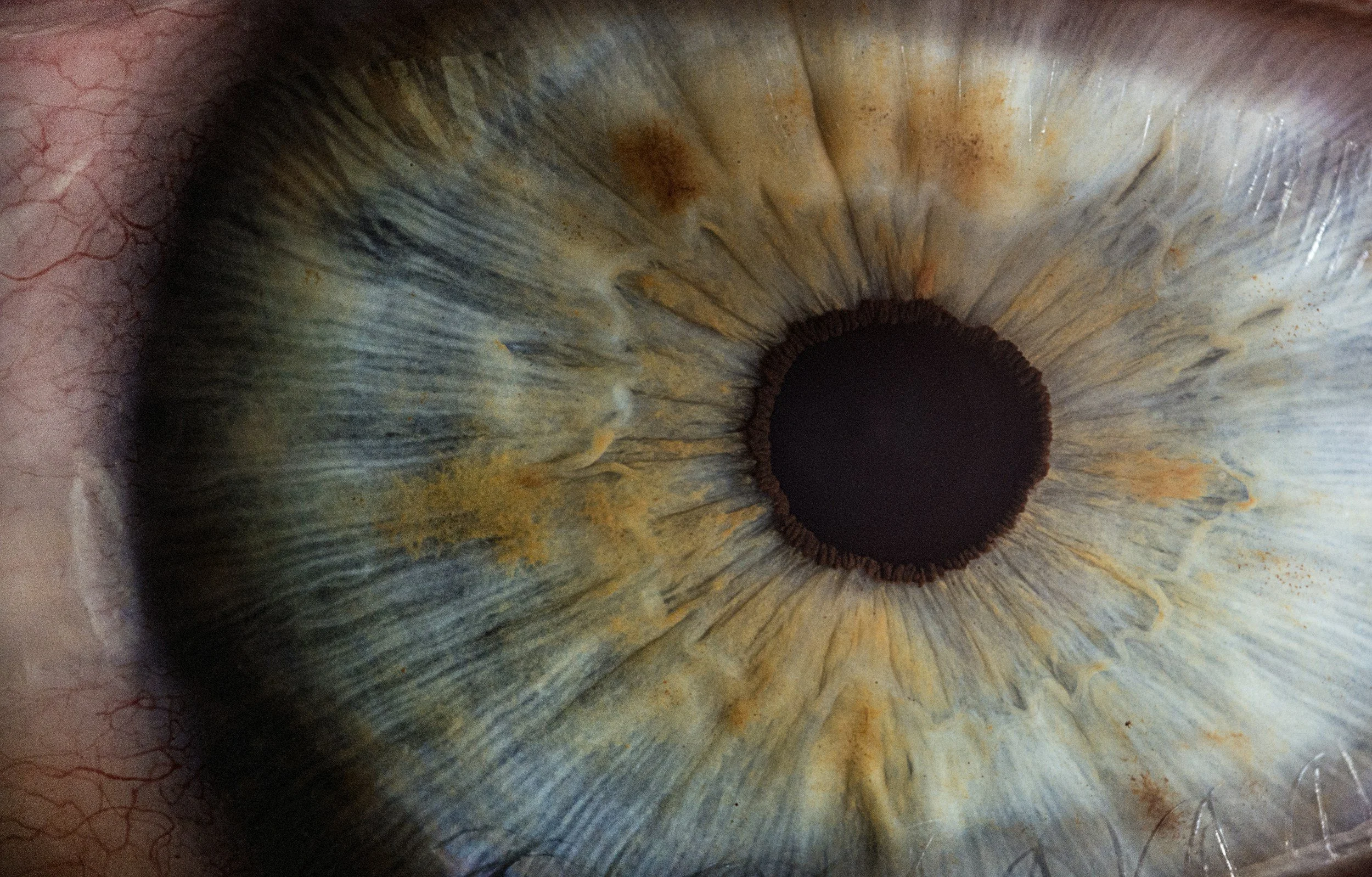
Many people feel self-conscious when this happens, forcing themselves back into eye contact. But as a therapist, I see this differently. Your brain is intuitively trying to heal itself. Where you look affects how you feel. By holding your gaze on a specific "Brainspot," we unlock deep neural connections and "files" of memory that have been stuck or disorganized.
Why Brainspotting Works
Brainspotting isn’t just talking; it’s a focused processing tool that helps integrate experiences that have failed to settle. It allows for:
Deep Regulation: Accessing the parts of the brain that actually control how you feel.
Efficiency: Reaching the root of trauma and negative beliefs faster than traditional talk therapy.
Natural Integration: Allowing your brain’s self-healing potential to organize "separated information files" into a cohesive, calmer whole.
As researchers Corrigan and Grand (2013) describe it, a Brainspot is essentially a stored physical orientation to a traumatic experience. By finding that spot, we finally give your system the chance to let it go.